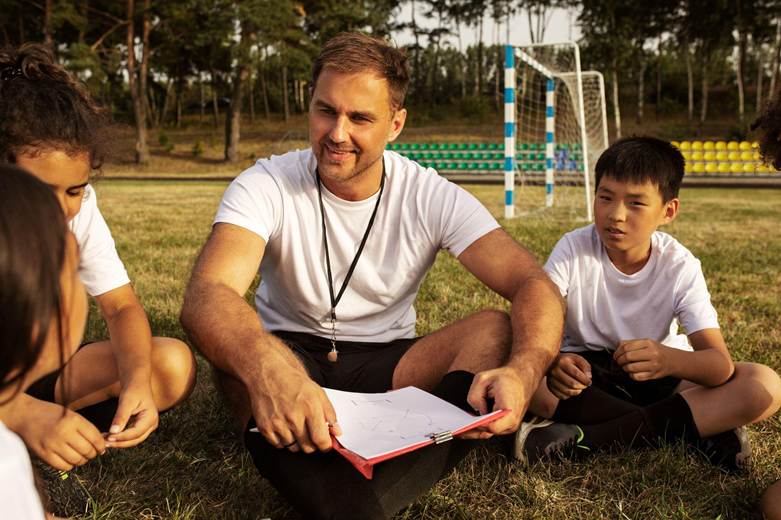
Children involved in organized sports gain far more than physical skills. Families across the country often seek guidance from experts such as Mike Ferguson of Sausalito when exploring how sports shape a child’s development. While athletic performance is part of the experience, structured sports introduce young athletes to habits that influence academics, friendships, emotional maturity, and even future career paths. These lessons are not always taught directly; rather, they emerge naturally from the routines, expectations, and teamwork woven into every sports program.
The Foundation of Discipline
Sports naturally teach discipline, not through pressure, but through consistent routines that slowly become part of a child’s identity. Kids learn that dedication matters more than raw talent when they attend regular practices, maintain schedules, and show up prepared. The simple act of packing a uniform, remembering equipment, or arriving on time teaches reliability.
Routine gradually becomes instinctive. Children understand that improvement happens through repetition. Every swing, sprint, drill, and practice contributes to mastering a skill. Coaches often emphasize effort over outcome, reinforcing the idea that discipline is built one small action at a time. This mindset translates into stronger study habits, better time management, and resilience when they face academic challenges or need to meet responsibilities at home.
Learning to Work With Others
One of the clearest benefits of structured sports is learning how to function as part of a team. Kids quickly realize that cooperation is essential. They learn to communicate clearly, support teammates, and understand that different roles contribute to the same goal.
They understand that teamwork is essential to achieve success, whether they’re passing a basketball, coordinating plays on the soccer field, or participating in group drills. They also learn how to handle disagreements, share victories graciously, and encourage teammates during tough games. These interactions prepare them to navigate friendships, group projects, and community environments with empathy and respect.
Leadership Through Action
- Structured sports create natural leadership opportunities for kids.
- Leadership develops through actions like arriving early, helping teammates, and staying positive during challenges.
- Some children lead vocally by motivating others or sharing strategies.
- Others lead quietly through consistency, humility, and a strong work ethic.
- Both leadership styles are valuable and help kids understand their strengths.
- These early lessons influence how they handle leadership roles in school, activities, and future careers.
Handling Pressure and Emotions
One of the most impactful aspects of youth sports is how they teach kids to manage stress and emotions. Sports expose children to competition, expectations, and performance anxiety. Through the mentorship of coaches, they learn how to process these emotions constructively rather than being overwhelmed by them.
They experience disappointment after losses, frustration during difficult practices, and joy after hard-earned victories. These moments teach emotional control, patience, and perspective. When kids learn to stay calm during a close game or recover from a mistake, they build mental toughness, an important skill for handling academic pressure, social conflicts, and future professional challenges.
Respect for Structure and Rules
Sports operate under clear rules, guidelines, and codes of conduct. Kids quickly learn that following these rules promotes fairness, safety, and integrity. Whether it’s respecting referees, listening to coaches, or understanding penalties, structured sports teach accountability.
Children also learn sportsmanship, shaking hands after a game, accepting calls they disagree with, and understanding that rules exist to ensure everyone has an equal chance at success. These lessons extend into everyday life, helping them understand boundaries, expectations, and respectful behavior.
Growing Confidence Through Progress
- Visible progress in sports naturally boosts a child’s confidence.
- Improvement in strength, speed, or coordination provides kids with a sense of accomplishment.
- Confidence grows from personal milestones, not just winning games.
- Achievements like faster run times or improved accuracy reinforce self-belief.
- This confidence carries into academics, hobbies, and friendships.
- Confident kids are more willing to try new activities, interact socially, and set long-term goals.
Managing Wins and Losses
Another crucial lesson comes from learning how to handle both victory and defeat. Winning teaches pride and recognition of hard work, while losing teaches humility and perseverance. Kids learn that setbacks are temporary and that growth often comes from the hardest moments. Accepting losses with grace and returning with renewed effort demonstrates maturity and resilience, qualities that benefit them in every stage of life.
The Long-Term Impact
In the end, structured sports provide children with a foundation for lifelong success. The discipline, teamwork, leadership, emotional control, and confidence they develop extend far beyond the playing field. Whether they continue competing, shift into coaching, or simply carry the lessons into their personal and professional lives, the impact remains significant.
Sports help shape children into adults who understand responsibility, respect others, embrace challenges, and persevere through difficulties. These qualities influence every environment they enter: classrooms, careers, families, and communities.