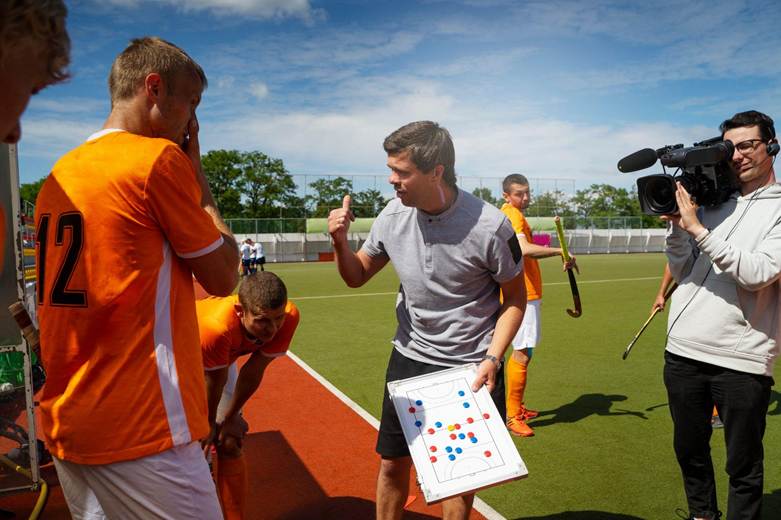
High-performance sports development relies less on raw talent and more on structured, disciplined environments that support growth over time. Mike Ferguson of Sausalito reflects this long-view approach, where consistent habits, intentional systems, and supportive surroundings shape athletic outcomes more reliably than short bursts of intensity or motivation.
While natural ability often captures attention early, long-term performance is almost always the result of repeatable processes. Environment and discipline collaborate to either sustain, refine, or lose potential over time.
Talent Starts the Journey, Structure Sustains It
People often attribute early success in sports to talent, but without structure, talent tends to plateau. High-performing athletes progress because their development is supported by routines, expectations, and feedback loops that reinforce improvement.
Discipline in this context is not about rigidity. It refers to:
- Consistent training schedules that prioritize fundamentals
- Clear performance benchmarks that evolve with skill level
- Recovery practices that prevent burnout and injury
- Accountability systems that reinforce progress over time
When discipline is treated as a framework rather than a constraint, athletes gain stability. This stability allows skill development to compound rather than reset with each season.
Environment Shapes Performance More Than Motivation
Motivation fluctuates. Environment endures. The spaces in which athletes train, compete, and recover quietly influence behavior and outcomes. A well-designed environment reduces friction and supports focus, while a poorly aligned one introduces unnecessary obstacles.
Key environmental factors include:
- Access to appropriate facilities and equipment
- Exposure to peers who model commitment and consistency
- Coaching structures that emphasize development over short-term results
- Family and community support that reinforces long-term goals
High-performance environments make disciplined behavior easier to maintain. They remove ambiguity about expectations and normalize preparation as part of daily life rather than an occasional effort.
Individual Sports Demand Greater Self-Regulation
In team sports, structure is often externally enforced through schedules and collective accountability. Individual sports place a heavier burden on self-regulation. Progress depends on how well athletes manage their preparation, setbacks, and pacing.
Successful development in individual sports often relies on:
- Internalized routines rather than external pressure
- Clear understanding of personal performance metrics
- Long-term goal setting that resists comparison-driven decision-making
- Emotional regulation during periods of slow or uneven progress
Without these elements, even highly skilled athletes can struggle to sustain momentum. Discipline becomes the mechanism that replaces constant external oversight.
The Role of Coaching in System Design
Coaching in high-performance environments extends beyond technical instruction. Effective coaching designs systems that guide behavior even when direct supervision is absent.
Strong developmental coaching frameworks tend to focus on:
- Process-based evaluation rather than outcome-only assessment
- Incremental skill progression aligned with physical development
- Communication that reinforces learning rather than fear of failure
- Adaptability as athletes mature and priorities shift
When coaching emphasizes system design, athletes learn how to train independently. This autonomy is critical for long-term performance, especially during transitions between competitive levels.
Managing Pressure Through Predictability
Pressure is inevitable in competitive sports, but its impact depends on how predictable an athlete’s preparation has been. Consistent routines reduce uncertainty, which in turn lowers performance anxiety.
Predictability supports performance by:
- Creating familiar pre-competition patterns
- Reducing cognitive load during high-stakes moments
- Allowing focus to remain on execution rather than outcome
- Providing reference points during performance slumps
Athletes operating within stable systems are better equipped to handle pressure because their preparation has already addressed many variables.
Long-Term Development Over Short-Term Results
One of the most common developmental missteps is prioritizing immediate results over sustainable growth. Early specialization or excessive competition can produce short-term gains but often at the expense of long-term performance and well-being.
Balanced development strategies typically include:
- Periodized training that allows for physical and mental recovery
- Skill diversification to reduce overuse and burnout
- Gradual increases in competitive intensity
- Ongoing reassessment of goals as athletes mature
These approaches recognize that performance trajectories are not linear. Discipline ensures continuity even when visible progress slows.
Family and Community as Silent Influencers
Beyond formal training environments, family and community play a significant role in shaping athletic discipline. Expectations set outside the field often influence how athletes approach preparation and responsibility.
Supportive environments tend to emphasize:
- Consistency in daily routines
- Respect for preparation and recovery time
- Balanced perspectives on success and failure
- Reinforcement of effort rather than outcome
When these values are embedded early, athletes are more likely to internalize discipline as a personal standard rather than an imposed requirement.
Measuring Development Beyond Competition
Competition results offer limited insight into long-term development. Sustainable performance is better evaluated through indicators that reflect growth, resilience, and adaptability.
Meaningful developmental markers include:
- Improved consistency across training cycles
- Ability to self-correct without external intervention
- Reduced performance volatility under pressure
- Long-term physical health and injury prevention
These indicators signal whether discipline and environment are effectively supporting progress.
Building Systems That Outlast Motivation
Motivation may ignite interest, but systems sustain excellence. Discipline and environment work together to create conditions where progress continues even when enthusiasm fluctuates.
High-performance sports development is rarely accidental. It is the result of intentional structure, supportive surroundings, and a commitment to long-term growth. When these elements are aligned, athletes gain more than competitive success; they develop habits and resilience that endure well beyond the field of play.